• General Medicine
  • Aesthetic Medicine
  • Practice Team
  • Contact
  • DE

Contact

If you would like to contact us, please do so by phone.

Address

Praxis Dr. Wüst AG
Facharzt für Allgemeinmedizin
Luzernerstrasse 11
6010 Kriens (Luzern)
E-Mail: info@praxisdrwuest.ch
Referrer: markus.wuest@hin.ch

Bus lines 1 and 16

Telephone:
+41 41 320 11 52

Privacy policy

Emergency Contact

In case of an emergency, and if we are unavailable, please contact:

Urgent Care Luzern
0900 11 14 14 (CHF 3.23/min)

Permanence Medical Center
041 211 14 44

Emergency Medical Service
144

Opening hours

Monday:
07.30 to 18.00

Tuesday and Wednesday:
07.30 to 19.30

Thursday:
07.30 to 19.30

Friday:
07.30 to 12.30 and
14.00 to 18.00

Closed on Saturday

Telephone opening hours

Monday:
07.30 to 18.00

Tuesday and Wednesday:
07.30 to 19.30

Thursday:
07.30 to 19.30

Friday:
07.30 to 12.30 and
14.00 to 18.00

Closed on Saturday

If you are unable to keep an appointment, please inform us by phone or email at least 24 hours in advance. Appointments that are not cancelled in time or missed without an excuse will be invoiced. These costs are not covered by health insurance and must be paid privately by you.

Minor Surgery

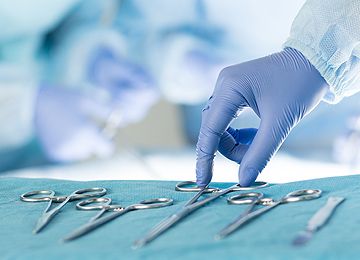
Accidents resulting in cuts, tears, or bruises, as well as pathological changes in the skin, such as abscesses, problems with nail circulation, warts, fibromas, atheromas, and liver spots, sometimes require surgery. Most often, a short visit at our clinic is all that is necessary.

We would love to consult you on which therapies are best suited to your needs.
Diving Medicine / Travel Medicine ›

Comprehensive Diagnostics

  • Fitness to Drive Test
  • Extensive Laboratory Testing
  • Exercise and 24h ECG
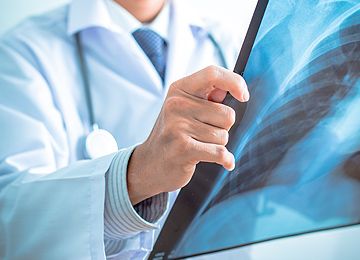
  • Digital X-Ray
  • Modern Sonography (Ultrasound)
  • Progenom www.progenom.com

Minor Surgery ›

Check-up

This is where we see great potential for your health, as early detection is the best way for you to protect yourself. Many diseases can already be diagnosed and treated in the early stages, before they are able to damage your body.

This is important for any age group, especially those aged 40 and up.

A check up includes a comprehensive blood test to determine blood count, liver, kidney, and cholesterol values, as well as other parameters tailored to your needs.

Furthermore, an electrocardiogram may be administered to determine your heart activity, as well as an exercise ECG, X-Ray of the heart and lungs, or a pulmonary function test.

At the core of the check-up, however, lies the comprehensive examination of your body.

Comprehensive Diagnostics ›

Emergency Medicine

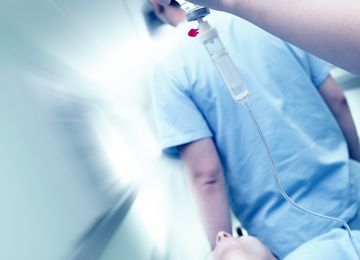
Emergency medicine refers to the actions necessary in treating patients that are in acute, life-threatening condition.

This includes the initiation of immediate, life-saving measures and establishing a patient’s capacity for transport, as well as the maintenance of vital bodily functions before and during the transportation to the hospital. In general, this is where further diagnostics are carried out and the patient is transferred over to the intensive care unit.

Check-up ›

Manual Medicine

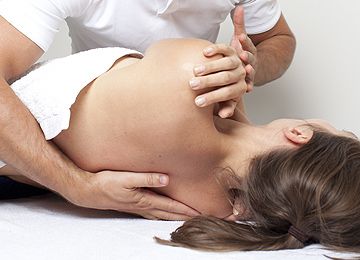
Blockages, primarily of the spine, but also other joints, are treated here. The goal is to unblock certain joints, relax the muscles, and loosen adhesions.

The basis of this method is the knowledge that even minor misalignments of the vertebrae and joints can lead to pain, especially muscular, and an altered conductivity of nerve tracts. Chronic headaches especially are often the result of blockages in the cervical spine.

Emergency Medicine ›

Diving Medicine / Travel Medicine

In the last few years, travel to ever more distant countries has become possible. In anticipation of their joyful experiences, many people forget that they can also expose themselves to several health risks while on their journey.

We offer a complete and comprehensive vaccination consultation, tips on the prevention of infectious diseases against which you cannot be vaccinated, as well as advice on climate and proper behavior in climate zones, all with special regard to any previous medical conditions, so that you can feel comfortable on your trip abroad.

As a certified diving physician of the Gesellschaft für Tauch und Überdruckmedizin (GTÜM), I have treated patients using recompression chambers domestically and abroad, and offer a qualified examination for your fitness to dive.

Manual Medicine ›

Kleine Chirurgie

Sowohl Unfälle mit Schnitt-, Riss- oder Quteschwunden, als auch krankhafte Hautveränderungen wie Abszesse, Nagelumläufe, Warzen, Fibrome, Atherome (auch Grützbeutel genannt) und Leberflecken bedürfen manchmal der chirurgischen Therapie. Oft genügt der Besuch bei uns.

Wir informieren Sie gerne, welche Therapie sich am besten für Sie eignet.

Tauchmedizin / Reisemedizin

Umfangreiche Diagnostik

  • Fahrtauglichkeitsuntersuchung
  • Umfangreiche Laboruntersuchungen
  • Belastungs,- und 24std. EKG
  • Digitales Röntgen
  • Modernste Sonografie (Ultraschall)
  • Progenom www.progenom.com

Kleine Chirurgie >

Check-up

Hier sehen wir ein grosses Potential für Ihre Gesundheit, denn durch Früherkennung schützen Sie sich selbst. Viele Krankheiten können bereits im Frühstadium bemerkt und behandelt werden, ehe sie in Ihrem Körper Schaden anrichten.

Sinnvoll prinzipiell in jeder Altersgruppe, besonders ab 40 Jahren aufwärts.

Ein Check-up beinhaltet eine ausführliche Blutuntersuchung mit Bestimmung des Blutbildes, der Leber und Nierenwerte, der Cholesterinwerte und weitere auf sie abgestimmte Parameter. Ferner ein Elektrokardiogramm zur Bestimmung Ihrer Herztätigkeit, ggf. auch ein Belastungs-EKG, ein Röntgen Bild von Herz und Lunge, bzw. eine Lungenfunktionsuntersuchung.
Kern des Check-ups aber ist die umfassende Untersuchung Ihres Körpers.

Umfangreiche Diagnostik ›

Notfallmedizin

Als Notfallmedizin bezeichnet man die Massnahmen, die notwendig sind um Patienten zu behandeln, die in einer akut lebensbedrohlichen Situation sind..

Dazu gehört das Einleiten lebensrettender Sofortmaßnahmen und das Herstellen der Transportfähigkeit, sowie das Aufrechterhalten lebenswichtiger Körperfunktionen vor und während des Transportes in ein Spital.
Dort erfolgt in aller Regel die weiterführende Diagnostik und meist die Übernahme der Patienten auf die Intensivstation.

Check-up ›

Manuelle Medizin

Behandelt werden „Blockierungen“ vor allem der Wirbelsäulen-, aber auch anderer Gelenke. Ziel ist die Deblockierung von Gelenken, die Entspannung von Muskeln und das Lösen von Verwachsungen.

Grundlage dieser Methode ist die Erkenntnis, dass selbst geringe Fehlstellungen von Wirbeln und Gelenken zu Schmerzen, insbesondere der Muskeln oder einer veränderten Leitfähigkeit der Nervenbahnen führen können. Insbesondere chronische Kopfschmerzen sind sehr häufig durch Blockierungen der Halswirbelsäule verursacht.

Notfallmedizin ›